Is Virtual Physiotherapy As Effective As In-Person Treatment?
August 3rd, 2020
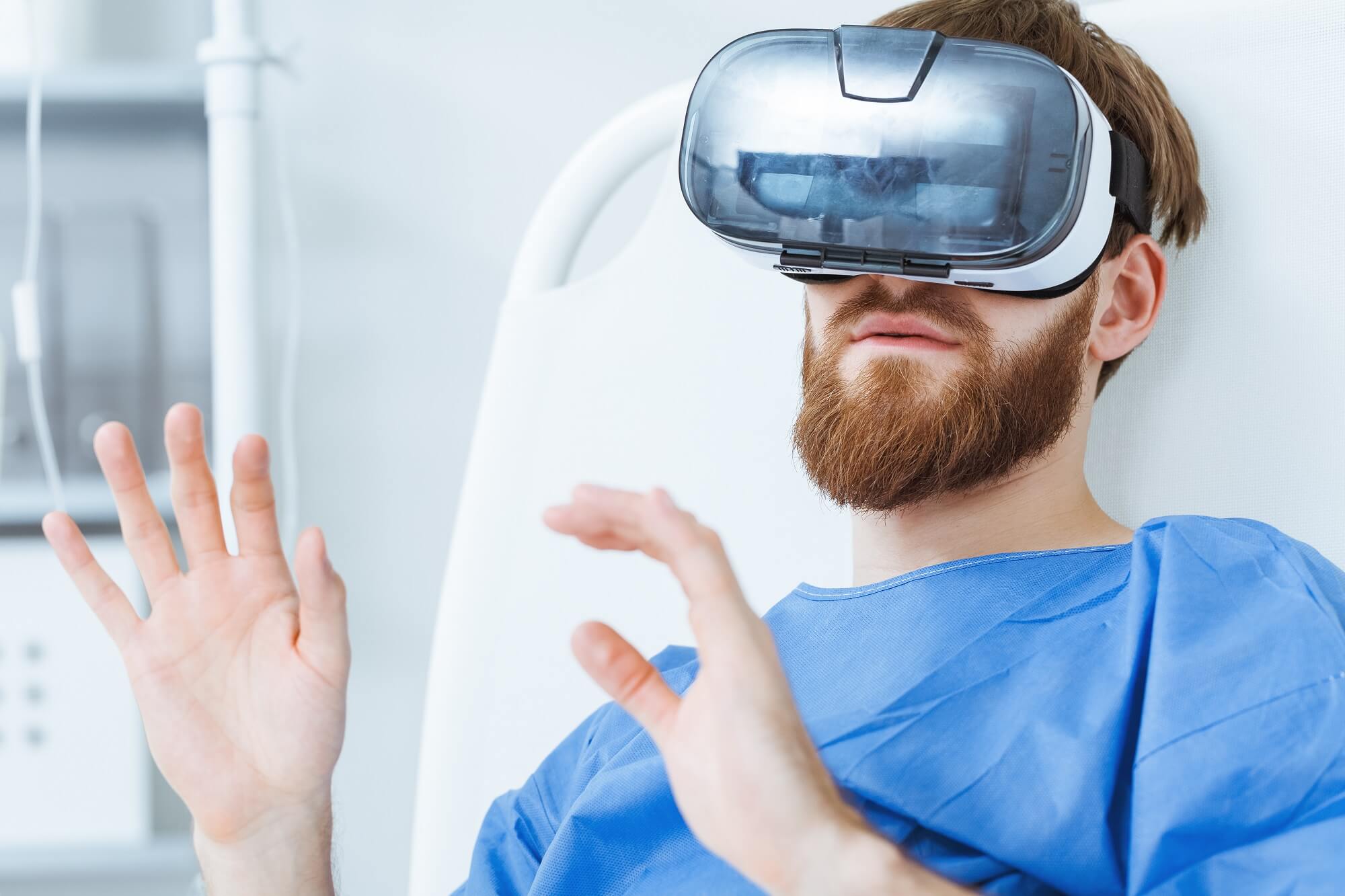
The virtual reality physiotherapy market is constantly growing. With the ongoing pandemic, people have turned to digital physiotherapy out of convenience, control, and to cut unnecessary expenses.
Based on a recent analysis, 70-75% of patients, would rather pick virtual treatment than get an in-person session.
The question is, can we trust VR with physiotherapy? It is really any good? We decided to delve deeper and study the full extent of a treatment option such as this. Here is all you need to know about virtual reality in physiotherapy.
 In fact, it has become a valuable component in curbing COVID-19. To avoid virus exposure, thousands of individuals have focused their efforts on virtual physio. But, does that mean it’s a better alternative than face-to-face treatment? We decided to find out.
Ascenti, an independent and highly influential physiotherapy group, conducted research to study the effectiveness of digital treatment. Based on their results and all the patients evaluated, virtual physiotherapy was just as efficient as in-person treatment. In some cases, it showed even better results.
Experts believe that video demonstrations are a lot more motivational than conventional therapy. The take a more creative and peculiar approach, which keeps their focus at all times.
Typical therapy doesn’t always have that effect. It feels more restricting, especially if you have to leave the house to go to the clinic. That’s exactly where virtual physiotherapy comes into play. It’s flexible, different, and fun.
As you can see, there are many areas where VR outperforms conventional appointments. But, it’s not without its flaws. Every patient is different. To provide optimum care, physiotherapists have to offer the right kind of treatment at the right time. So, they will need to be fully engaged to provide adequate care.
READ ALSO: HOW INNOVATIVE VIRTUAL REALITY IS IMPROVING PHYSIOTHERAPY
In fact, it has become a valuable component in curbing COVID-19. To avoid virus exposure, thousands of individuals have focused their efforts on virtual physio. But, does that mean it’s a better alternative than face-to-face treatment? We decided to find out.
Ascenti, an independent and highly influential physiotherapy group, conducted research to study the effectiveness of digital treatment. Based on their results and all the patients evaluated, virtual physiotherapy was just as efficient as in-person treatment. In some cases, it showed even better results.
Experts believe that video demonstrations are a lot more motivational than conventional therapy. The take a more creative and peculiar approach, which keeps their focus at all times.
Typical therapy doesn’t always have that effect. It feels more restricting, especially if you have to leave the house to go to the clinic. That’s exactly where virtual physiotherapy comes into play. It’s flexible, different, and fun.
As you can see, there are many areas where VR outperforms conventional appointments. But, it’s not without its flaws. Every patient is different. To provide optimum care, physiotherapists have to offer the right kind of treatment at the right time. So, they will need to be fully engaged to provide adequate care.
READ ALSO: HOW INNOVATIVE VIRTUAL REALITY IS IMPROVING PHYSIOTHERAPY
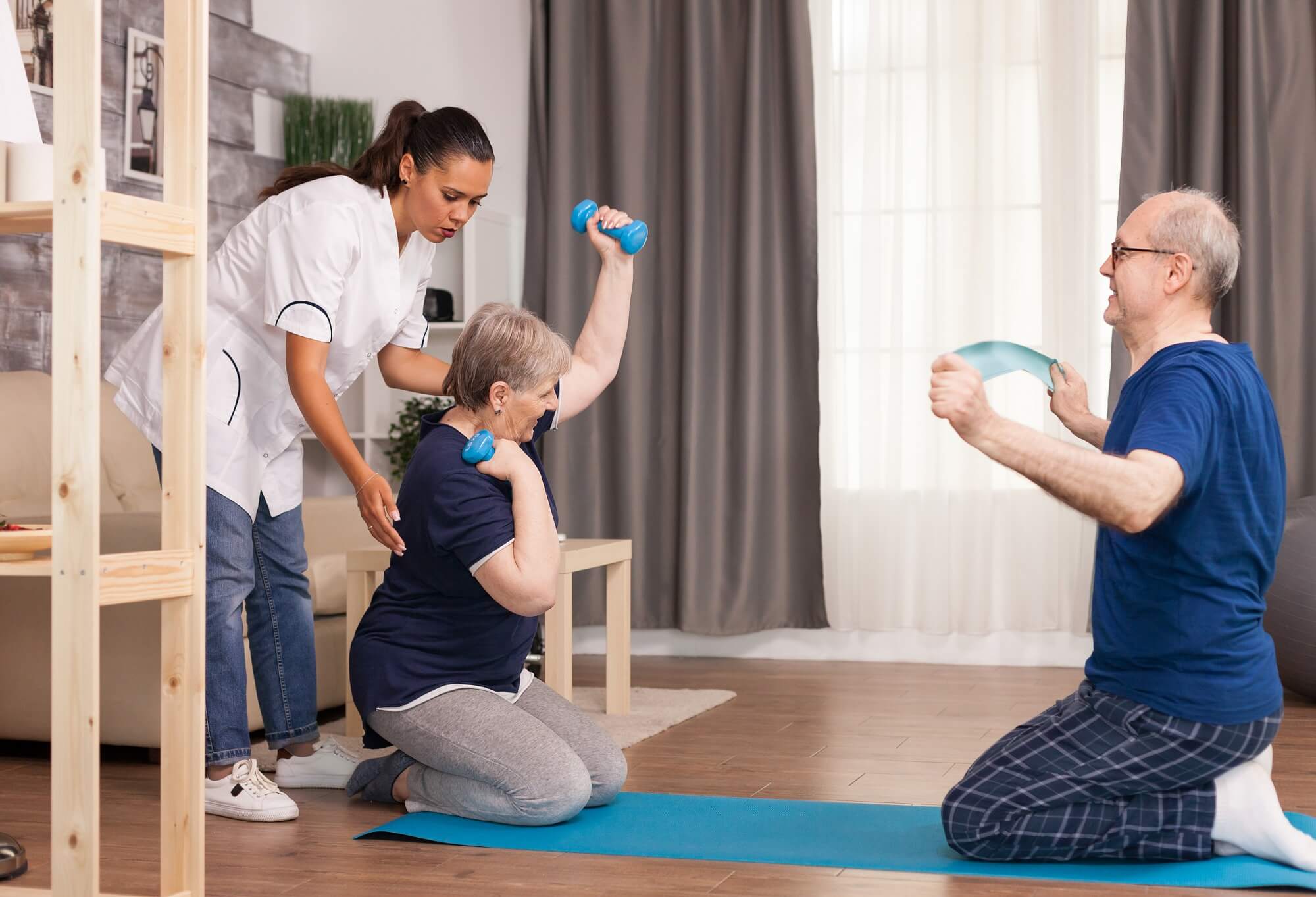 If you don’t notice any positive improvements, it might be better to discuss your health problems in a person with your Physiotherapist. Your primary goal should be to get better. But, you have to take the right precautions to stay safe from the coronavirus. The doctor will evaluate your condition and implement any changes to your routine that will fix the problem.
What Is Virtual Reality Physiotherapy?
Even though it is a relatively new practice, digital physiotherapy is designed to give patients the exact type of care they would receive if they were to go to the clinic. The only major difference is that the patient doesn’t get to meet with the doctor face-to-face. However, they will still receive proper care specifically tailored to their condition. Patients rely on a VR physio app, which allows them access to video demonstrations. Users have to copy the demonstrations and follow them to a tee. Just as they would in the clinic. This is what we call telerehabilitation. With the use of telecommunication tech, users can receive proper patient care, treatment, training, and maintenance.Are These Telehealth Services Better Than In-Person Treatment?
Virtual reality physiotherapy has come a long way. This treatment opportunity is built for the patient and adapted to the current situation. It combines innovative ideas with elite-quality treatment to support every stage of a person’s recovery journey. The best thing about it is that people today are more open-minded to using technology. With the current technological advances, more and more people are aware of using digital tools. They know exactly what to do and how to do it. That’s why digital treatment, gives them plenty of flexibility and convenience.
In fact, it has become a valuable component in curbing COVID-19. To avoid virus exposure, thousands of individuals have focused their efforts on virtual physio. But, does that mean it’s a better alternative than face-to-face treatment? We decided to find out.
Ascenti, an independent and highly influential physiotherapy group, conducted research to study the effectiveness of digital treatment. Based on their results and all the patients evaluated, virtual physiotherapy was just as efficient as in-person treatment. In some cases, it showed even better results.
Experts believe that video demonstrations are a lot more motivational than conventional therapy. The take a more creative and peculiar approach, which keeps their focus at all times.
Typical therapy doesn’t always have that effect. It feels more restricting, especially if you have to leave the house to go to the clinic. That’s exactly where virtual physiotherapy comes into play. It’s flexible, different, and fun.
As you can see, there are many areas where VR outperforms conventional appointments. But, it’s not without its flaws. Every patient is different. To provide optimum care, physiotherapists have to offer the right kind of treatment at the right time. So, they will need to be fully engaged to provide adequate care.
READ ALSO: HOW INNOVATIVE VIRTUAL REALITY IS IMPROVING PHYSIOTHERAPY
How Do These Telehealth Sessions Look Like?
Online sessions work the exact same way as in-person treatment. A doctor will assess your current medical situation and evaluate your strengths and weaknesses. They will examine your movement and motion capabilities and prescribe the proper stretches with online videos. You will be introduced to various mobilization and treatment techniques. You will receive advice and all the information necessary to get your condition under control. These demonstrations can help you practice the physical treatment you need.What Do I Need for a Digital Physiotherapy Session?
If you are in need of a virtual session, you will need 4 things:- A proper webcam
- Device: PC, smartphone or Tablet
- List of all the things you want to say
- Loose-fitted clothes
When to Visit a Local Healthcare Center?
If you don’t notice any positive improvements, it might be better to discuss your health problems in a person with your Physiotherapist. Your primary goal should be to get better. But, you have to take the right precautions to stay safe from the coronavirus. The doctor will evaluate your condition and implement any changes to your routine that will fix the problem.
How Do I Find a Local Healthcare Provider?
For patients who are in urgent need of physio treatment, it’s important to find a local provider. If you are living in the UK, you have two possibilities. You can find your doctor through the NHS or via private practitioners. A reputable physiotherapist must be:- charted (which means they have the initials “MCSP” after the name)
- registered with the HCPC (Health and Care Professions Council)